
As a soccer fan, one of my favorite things about big international tournaments is not just watching the matches, but seeing players and fans from around the globe come together.
Events like the World Cup are a prime example of that, and I’m especially excited that it’s being hosted here in the United States and across North America in 2026. There’s something extra special about getting to experience it at home.
One of the things I love about the World Cup is getting a glimpse into different cultures from around the world. And since coffee is enjoyed in just about every corner of the globe, it seemed like the perfect way to celebrate the tournament. Join me for a coffee around the world tour inspired by some of the countries taking part this year.
Coffee Around the World – Exploring Coffee Through the World Cup
To keep things simple, I picked a handful of countries expected to make an impact on the pitch. This coffee around the world tour highlights seven countries with rich soccer traditions and unique coffee cultures.
Brazil
2026 FIFA ranking heading into the World Cup: #6
World Cup outlook: Always a major contender with a deep roster and a long history of success. One of the most exciting teams to watch.
Coffee in Brazil: Brazil is the world’s largest coffee producer, and its beans are a staple of many everyday blends. Coffee is deeply embedded in everyday life in Brazil, from home brewing to workplace breaks. A traditional cafézinho, a small, strong, and often slightly sweetened coffee, is commonly served multiple times a day.
Coffee farming is also a major part of Brazil’s economy, with regions like Minas Gerais and São Paulo playing key roles in global production. In fact, Minas Gerais alone produces a significant share of the country’s coffee. Brazilian coffees are often known for their chocolate, nutty, and low-acid flavor profiles, making them some of the most approachable coffees in the world.
Want to experience Brazilian coffee culture for yourself? I recommend checking out Nossa Familia Coffee, a Portland-based roaster founded by a Brazilian family with deep roots in coffee farming in Brazil.
France
2026 FIFA ranking heading into the World Cup: #3
World Cup outlook: One of the strongest teams in international soccer, with depth and elite talent across every position.
Coffee in France: France has a long café tradition where coffee is more about experience than customization. Espresso is the standard order, often served after meals or enjoyed slowly at a café table.
Historically, cafés became important gathering places where people met to discuss politics, art, literature, and everyday life. Some of France’s most influential writers, artists, and philosophers spent time in these cafés, helping shape the country’s cultural identity over a cup of coffee.
While modern specialty coffee is growing, traditional espresso culture still dominates daily life. A typical French breakfast often includes coffee alongside a croissant or a piece of bread with butter and jam.
For a taste of French coffee culture, I recommend trying one of the European coffees featured in my European Coffee Guide or going for a French Roast like this one from Stumptown Coffee Roasters.
Argentina
2026 FIFA ranking heading into the World Cup: #1
World Cup outlook: A powerhouse team with world-class leadership and a strong tournament history (the last World Cup winners in 2022). You can never sleep on Lionel Messi.
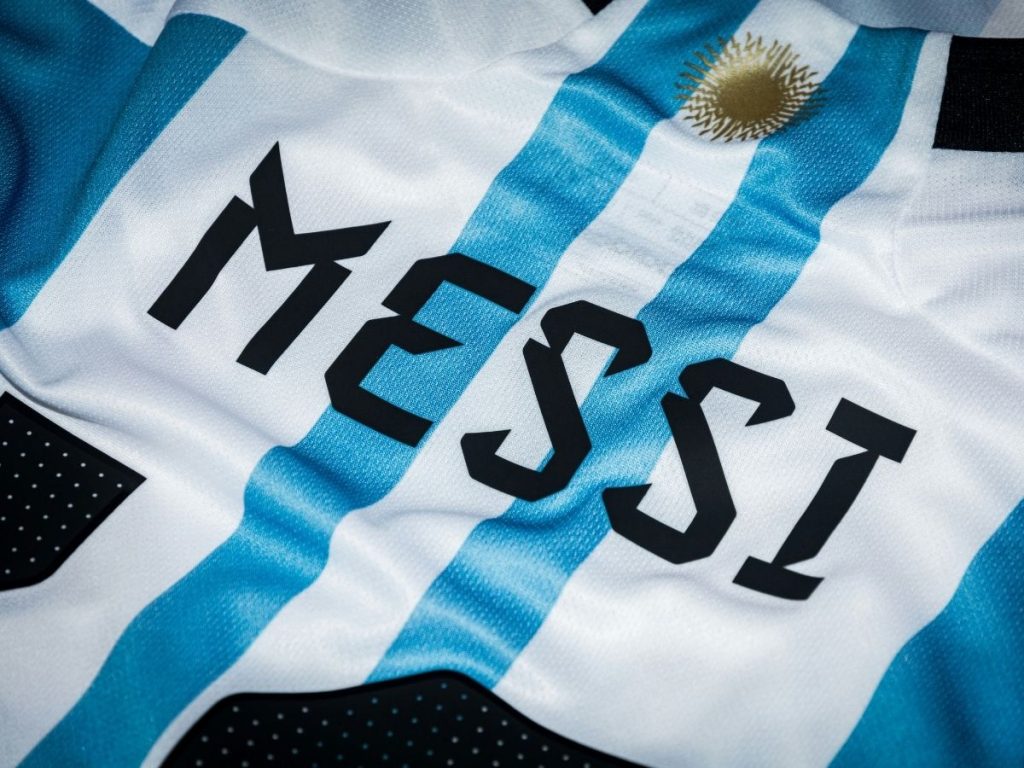
Coffee in Argentina: Due to its climate, Argentina does not actually grow its own coffee because it sits outside the coffee belt. Instead, the country imports beans from coffee-producing nations such as Brazil and Colombia.
Despite not growing coffee, Argentina has a strong café culture and a growing specialty coffee scene. One example is Café Puerto Blest, an Argentine specialty coffee roaster that even released a Messi-inspired World Cup coffee. It’s a fun way to bring a little Argentine soccer culture into your coffee routine.
Coffee is often enjoyed slowly with friends or family rather than grabbed on the go. Popular drinks include espresso, cortados, and café con leche, often paired with medialunas or alfajores.
England
2026 FIFA ranking heading into the World Cup: #4
World Cup outlook: Consistently one of the strongest teams in international soccer, with a talented roster and high expectations heading into every major tournament.
Coffee in England: While England is often associated with tea, coffee has a surprisingly long history in the country. London’s first coffeehouses opened in the 1600s and quickly became gathering places for merchants, writers, and politicians. Some were even nicknamed “penny universities” because the price of a cup of coffee gave people access to conversation, news, and ideas.
Today, specialty coffee has grown rapidly across the United Kingdom, with independent cafés and local roasters becoming increasingly popular alongside traditional tea culture.
If you are looking for a fun way to check out the specialty coffee scene in the UK, check out Batch Coffee Club, which introduces subscribers to coffees from independent British roasters.
Spain
2026 FIFA ranking heading into the World Cup: #2
World Cup outlook: Technically strong and capable of deep tournament runs, often building momentum as tournaments progress.
Coffee in Spain: Coffee is a daily ritual, especially in the morning and mid-afternoon. One of the most popular drinks is café con leche, typically equal parts espresso and steamed milk.
Spain also has a wide range of regional coffee orders, from café solo (espresso) to cortado (espresso with a small amount of milk). In fact, the same coffee drink can have different names depending on where you are in the country.
Coffee is commonly enjoyed in cafés rather than at home, and many Spaniards stop for coffee multiple times a day rather than drinking one large cup in the morning. In many parts of Spain, meeting for coffee is just as much about socializing as it is about the drink itself.
Want to explore Spanish coffee? One interesting option is Cervantes Coffee Roasters in Springfield, VA. They partner with the Spanish coffee brand Candelas to offer traditional Spanish coffee in the United States.
Australia
2026 FIFA ranking heading into the World Cup: #27
World Cup outlook: Organized and competitive, especially in the group stages.
Coffee in Australia: Australia is widely known for its modern café culture, which is heavily influenced by European espresso traditions but refined into its own identity.
The flat white, an espresso-based drink with steamed milk and minimal foam, is one of the country’s most iconic contributions to global coffee culture. While Australia and New Zealand continue to debate exactly where it originated, there is no debate that the flat white has become popular around the world.
Independent cafés dominate the scene, and quality is a major focus, with barista culture playing a strong role in everyday coffee life. In many Australian cities, locals are fiercely loyal to their neighborhood cafés and have high expectations for coffee quality.
And, it was my personal favorite when I vacationed in Australia many years ago. If you want to try making a flat white at home, check out this recipe.
United States
2026 FIFA ranking heading into the World Cup: #17
World Cup outlook: A young, improving squad with growing international experience, especially exciting on home soil.
Coffee in the United States: The U.S. has one of the most diverse coffee cultures in the world, shaped heavily by the rise of specialty coffee. While drip coffee and large chain cafés remain common, there has been a major shift toward third-wave coffee, with a focus on single-origin beans, brewing methods like pour-over, and craft espresso drinks.
The United States is also the world’s largest importer of coffee, bringing in beans from coffee-growing regions across the globe. Cold brew has become especially popular in recent years, reflecting a trend toward smoother, less acidic coffee styles.
For me, coffee in the U.S. is about finding a good roaster. Some of my favorite coffee experiences have come from discovering small roasters passionate about sourcing high-quality beans and helping customers explore new flavors.
Some of my personal favorites include Roadmap Coffeeworks and Onyx Coffee.
While every country approaches coffee a little differently, one thing remains the same: coffee has a way of bringing people together, whether you’re watching a match in a crowded café or enjoying a quiet cup at home.
More Coffee for Soccer Fans
If this coffee around the world tour has you in the mood to combine your love of soccer and coffee, these soccer-inspired brands are worth checking out:
- Kickoff Coffee Co specializes in artisan-roasted coffee created for soccer fans. Their entire brand is built around the connection between coffee and the beautiful game, and they donate a portion of profits to soccer development organizations.
- Parisi Soccer Capital of America Blend Developed as the official coffee of Sporting Kansas City, this medium roast celebrates Kansas City’s role as a soccer destination. It features notes of brown sugar, citrus, and dark fruit.
Whether you’re cheering for the reigning champions, rooting for the home team, or simply enjoying the tournament from your couch, coffee and soccer have a way of bringing people together. I hope this coffee around the world tour inspired you to try something new while enjoying the road to the 2026 World Cup.


